New Beginnings (A Quick Look into Genesis)

Genesis is often called the book of beginnings. In its pages we see the beginning of the world (Genesis 1–2), the beginning of sin (Genesis 3), the beginning of family life and childbirth (Genesis 4), and even the beginning of nations (Genesis 10–11). As a new year sits in front of us, Genesis helps us to see fresh starts the way God sees them: not as wishful thinking, but as real opportunities to walk with Him.

First, Genesis reminds us that God brings beginnings out of nothing. “In the beginning God created the heavens and the earth” (Genesis 1:1). In seven days, the Lord formed light and darkness, sky and seas, land and vegetation, sun and moon, birds and fish, animals and man — then He rested (Genesis 1:3–2:3). Who else can take nothing and make something?

Every sunrise, every season, and every breath is a quiet reminder that God is powerful, purposeful, and generous.

Second, Genesis shows that God can give a new beginning after great failure. In Noah’s day, evil filled the earth (Genesis 6:1–5, 11–12). However, God saw Noah as a righteous man and preserved him and his family (Genesis 6–8). After the flood, God made a promise and set a rainbow as a sign (Genesis 9). Righteousness still matters, and God still honors it.

Third, Joseph teaches us that new beginnings don’t always feel “new” at first. Betrayed and taken to a foreign land, Joseph’s path looked like loss, but God used it for blessing. Even Pharaoh recognized God’s hand in him (Genesis 41). Joseph’s faithfulness positioned him to save his family (Genesis 46–50).

So, what about our new beginning? Every day is a gift — “If the Lord wills” (James 4:15). Tomorrow isn’t promised (Luke 12:13–21). Today is the day to seek forgiveness, share the gospel, and set our lives in order.

The greatest new beginning is becoming a new person in Christ (John 3; Ephesians 2). God offers salvation daily. What will your response be?

Just some thoughts,


It’s Easier to Keep Holidays Than Commandments

“How many observe Christ’s birthday! How few, his precepts! O! ’tis easier to keep holidays than commandments.” — Benjamin Franklin

That quote stings—because it’s true often enough to make us uncomfortable.Every year, Christmas arrives with lights, music, traditions, and a calendar that almost forces us to pause. And there’s nothing wrong with celebrating. Remembering the coming of Jesus into the world is a beautiful thing.

But Franklin’s point is worth sitting with: it’s easier to observe a holiday than it is to obey a Savior.

Holidays are simple. Discipleship is daily.

A holiday asks for a moment. A commandment asks for a life. It’s one thing to sing about peace on earth. It’s another thing to pursue peace when you’re misunderstood, overlooked, or hurt.

Jesus didn’t come merely to be admired once a year—He came to be followed every day. Remember these verses…

    • “If you love Me, you will keep My commandments.” (John 14:15, ESV)
    • “Why do you call me ‘Lord, Lord,’ and not do what I tell you?” (Luke 6:46, ESV)

Don’t soften that. Jesus is not asking for seasonal affection. He is calling for daily obedience.

Here’s the direct challenge:

Are you obeying Jesus—or just observing Him?

It’s possible to honor Jesus with our words while ignoring Him with our choices. The Pharisees were told, “This people honors Me with their lips, but their heart is far from Me.” (Matthew 15:8, ESV)

So let’s make it plain: If your faith is strongest in December but weak in January, you’re not celebrating Christ—you’re compartmentalizing Him.

Christmas can become a spiritual substitute: something that feels meaningful but doesn’t actually change you.

Commandments aren’t chains—they’re the proof of who is the Lord’s

We live in a time that loves inspiration but resists instruction. We want comfort without correction. But Jesus doesn’t offer a “holiday Jesus.” He offers a King.

    •  “Not everyone who says to Me, ‘Lord, Lord,’ will enter the kingdom of heaven, but the one who does the will of my Father who is in heaven.” (Matthew 7:21, ESV)

That verse isn’t there to make tender hearts panic. It’s there to keep careless hearts from pretending.

And yes—when we fail (because we do), the answer isn’t to quit. It’s to repent and return.

    • “If we confess our sins, He is faithful and just to forgive us our sins and to cleanse us from all unrighteousness.” (1 John 1:9, ESV)

Five “after-Christmas” commandments to measure your walk

If you want to honor Christ beyond the season, don’t start with vague intentions. Start with obedience you can actually practice.

    • Love God first: “You shall love the Lord your God with all your heart and with all your soul and with all your mind.” (Matthew 22:37, ESV)
    • Love people in a way they can feel: “A new commandment I give to you, that you love one another: just as I have loved you…” (John 13:34–35, ESV)
    • Forgive instead of keeping score: “Forgive, and you will be forgiven.” (Luke 6:37, ESV)
    • Seek the Kingdom before comfort: “But seek first the kingdom of God and His righteousness…” (Matthew 6:33, ESV)
    • Do the Word, don’t just consume it: “But be doers of the word, and not hearers only, deceiving yourselves.” (James 1:22, ESV)

Those aren’t “nice ideas.”

They’re commands.

And they reveal who’s really on the throne.

A 7-day obedience test (no excuses)

Here’s your challenge for this week:

  1. Pick one command of Jesus you’ve been delaying.
  2. Write it down.
  3. Pray for strength.
  4. Obey it today—then repeat for 7 days.

Not perfectly. But honestly.

Because discipleship isn’t proven by what you post, what you sing, or what you attend.

    • “If anyone would come after Me, let him deny himself and take up his cross daily and follow Me.” (Luke 9:23, ESV)

That word daily makes it real.

Celebrate the birth of Jesus—then live like He’s Lord

Christmas reminds us that God stepped into our world. That’s worth celebrating.

But the best way to honor Christ isn’t only with a day on the calendar.

It’s with a life that says, “Jesus, you’re not just part of my season—you’re the center of my life.”

So yes—keep the holiday.

But even more: keep the commandments.

Not out of guilt.

Out of love.

And if you’re ready to get serious, don’t wait for a new year. Obedience doesn’t need a fresh calendar—just a surrendered heart.

Just a thought,

Immanuel: Where Many Miss Jesus

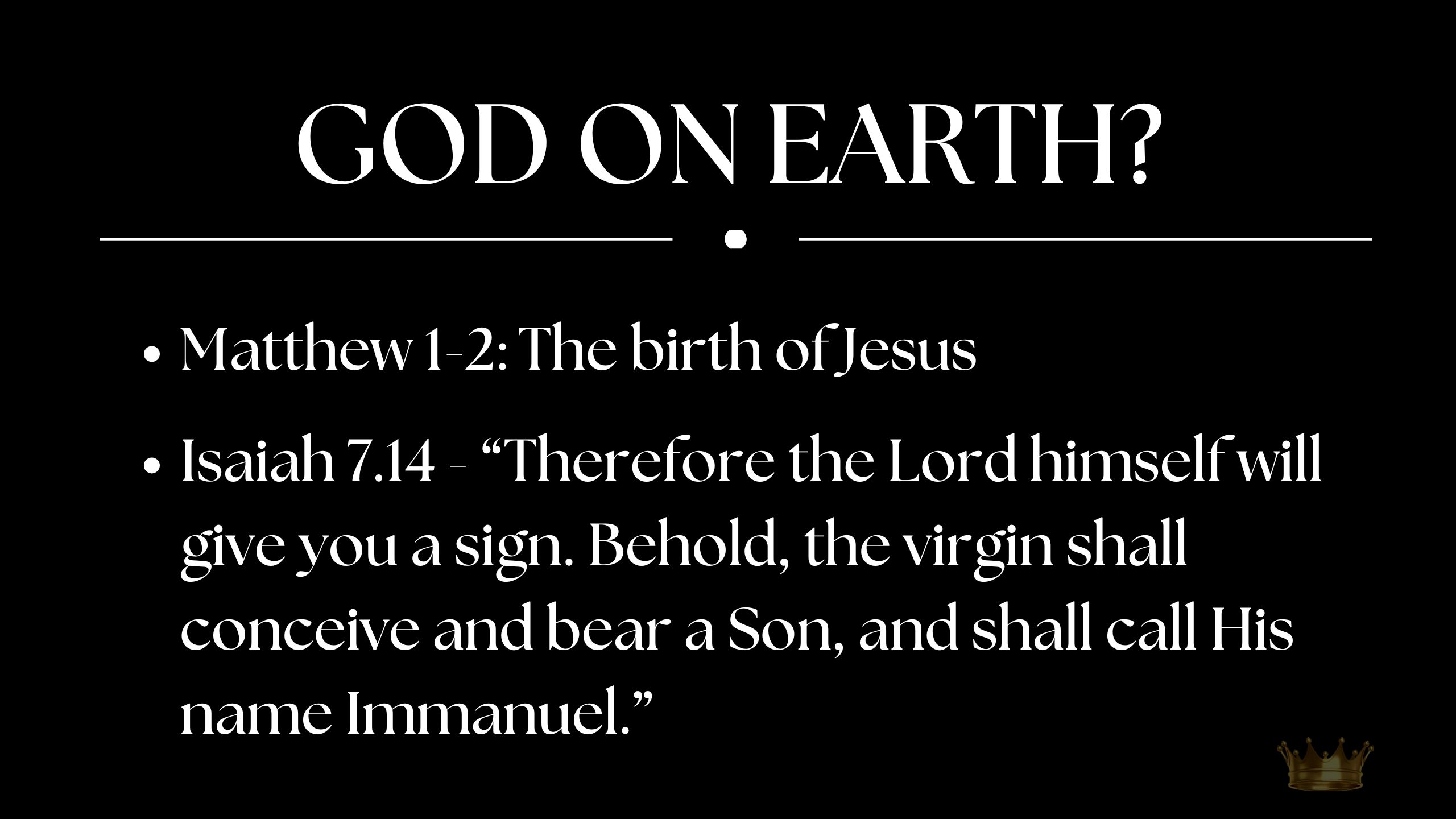
The story of Jesus’ birth is one of the most familiar in Scripture, yet it remains one of the most overlooked. Not because people haven’t heard it, but because they often miss the meaning behind it. Matthew opens his Gospel with a truth so profound that it reshapes the entire biblical story: “They shall call His name Immanuel,” which means “God with us.” (Matthew 1:22–23). Those three words—God with us—carry the weight of God’s promise, God’s heart, and God’s desire for His people from the very beginning.

Immanuel is not simply a name; it is a declaration. Jesus is God’s promise to be present with His people. For generations, Israel had waited for God to act, to speak, to restore. And in the birth of Jesus, God did more than send a message—He came Himself. Matthew 1–2 shows us that the arrival of Jesus was not random or accidental. It was the fulfillment of Isaiah 7:14, where God promised a sign: a virgin would conceive and bear a Son, and His name would be Immanuel. God was not content to remain distant. He stepped into the world He created.

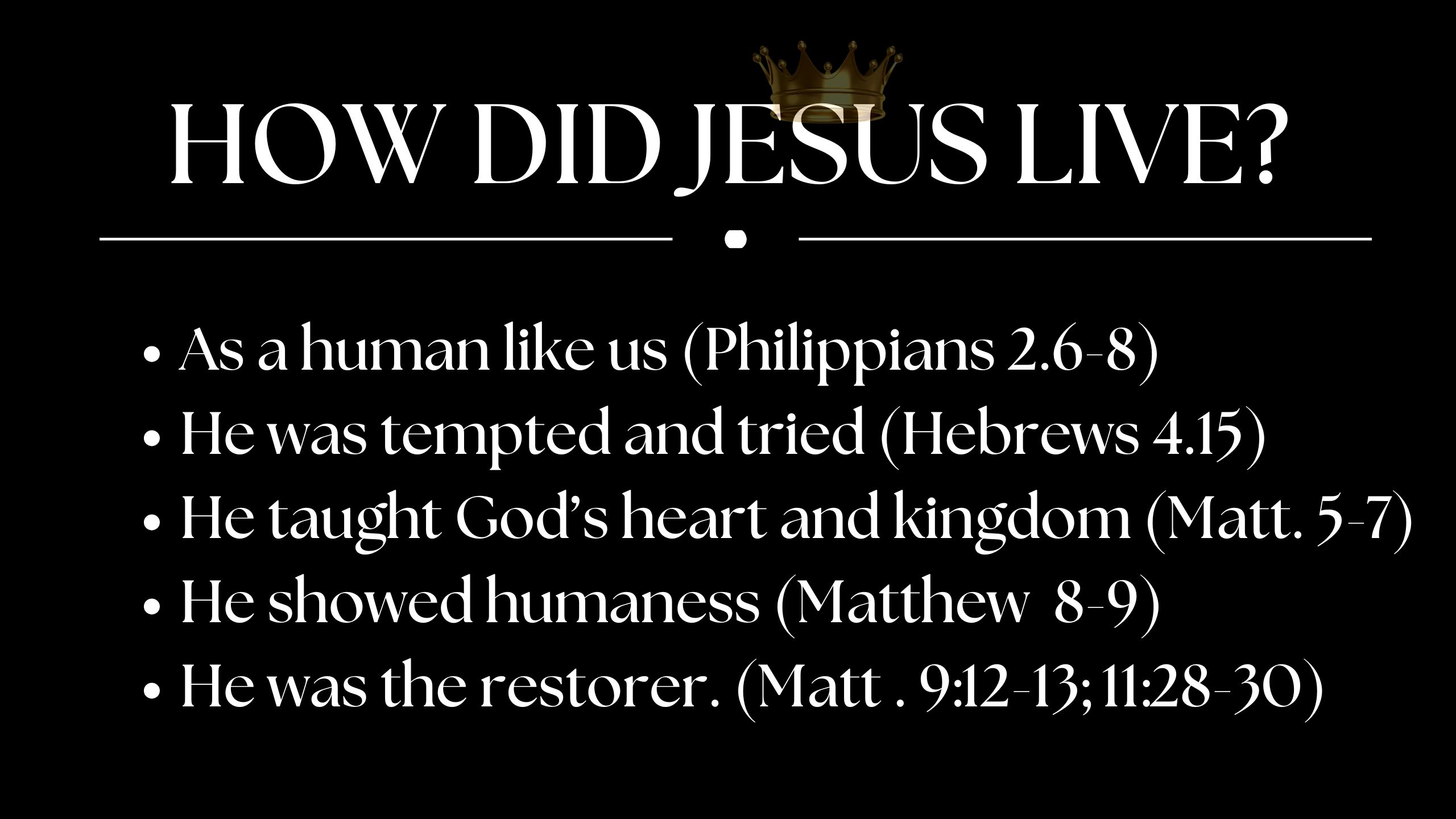
But the miracle of Immanuel is not only that God came near—it is how He came near. Jesus lived as one of us. Philippians 2:6–8 reminds us that He took on human form, embracing humility and obedience. He faced temptation and trials (Hebrews 4:15), not from a distance but from within the human experience. He taught the heart of God and the values of the kingdom in Matthew 5–7, revealing what life with God truly looks like. He showed compassion, tenderness, and humanity in Matthew 8–9 as He healed, touched, restored, and noticed those the world ignored.

Jesus didn’t just preach God’s presence—He embodied it.\

He restored what was broken. In Matthew 9:12–13, He declared that He came for the sick, not the healthy. In Matthew 11:28–30, He invited the weary and burdened to find rest in Him. Jesus was not a distant Savior; He was the restorer, the healer, the One who brought God’s mercy into everyday life.

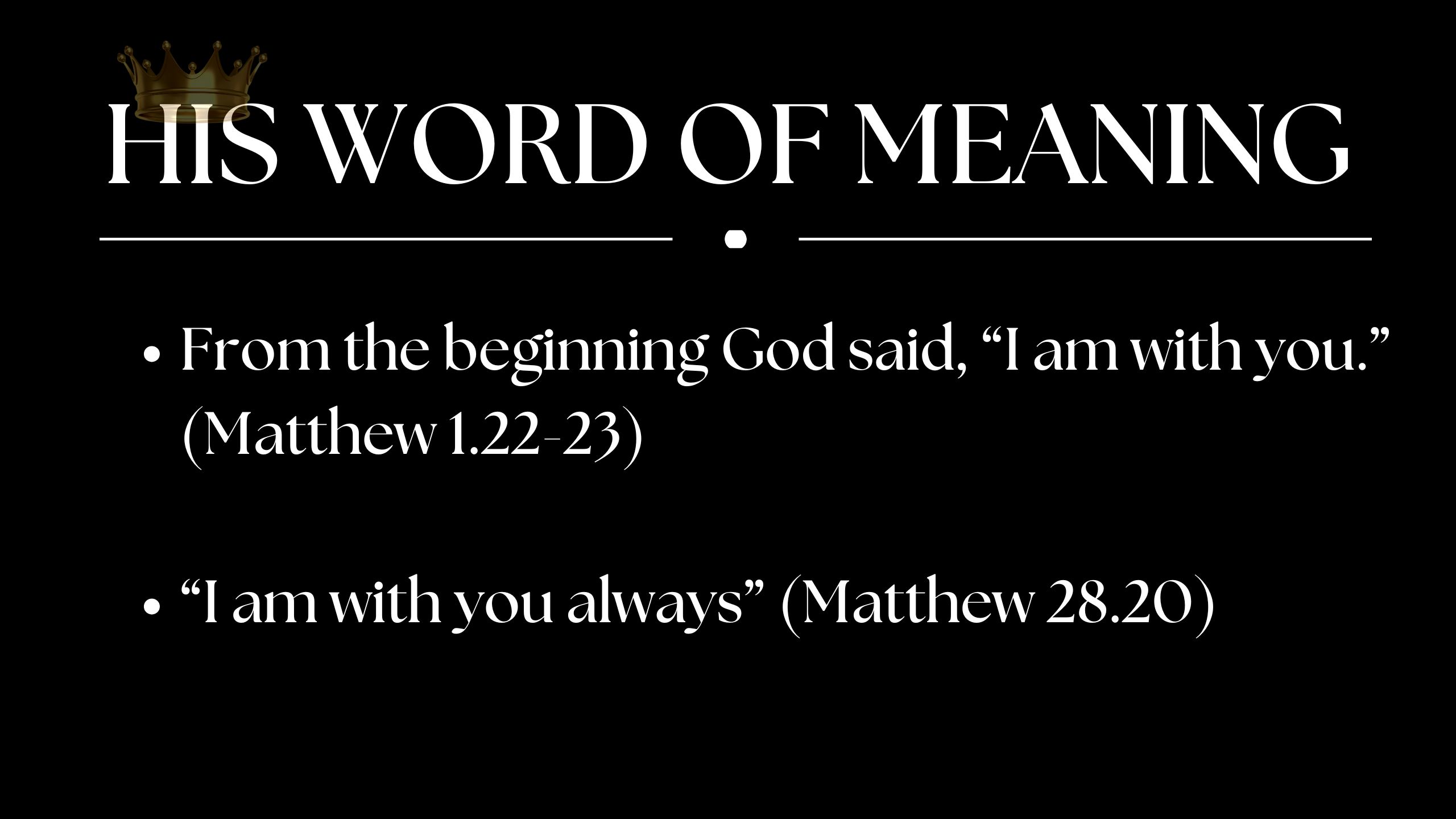
And from the beginning to the end of Matthew’s Gospel, one message remains unchanged: God is with you. The Gospel opens with the promise of Immanuel (Matthew 1:23) and closes with Jesus’ final words: “I am with you always, to the end of the age.” (Matthew 28:20). The presence of God is not seasonal. It is not limited to a manger scene or a moment in history. It is the ongoing reality for every believer.

Where many miss Jesus is not in the story of His birth, but in the significance of His presence. God has always wanted relationship, faithful love, and a people who walk with Him. Jesus is the fulfillment of that desire.

Immanuel means you are not alone. God has come near. God is present. God is with us—still.

Just some thoughts,

People to Remember in December

As the holiday season unfolds, we find ourselves moving from Thanksgiving toward Christmas and the New Year. While this is a time of celebration for many, it can also be a time of emotional challenge.

Studies show that nearly 64% of people report experiencing the “holiday blues,” with feelings of loneliness, sadness, or stress often intensifying during this season. This is when the support of a church family becomes especially meaningful.

Who Needs Our Care?

Those Who Have Lost Loved Ones: The holidays can be especially difficult for those grieving the loss of family members or friends. Memories of past celebrations may bring both comfort and sorrow. Let’s remember widowers, widows, parents who have lost children, siblings, grandparents, and anyone mourning a loved one. According to the American Hospice Foundation, grief can resurface strongly during the holidays, making support and compassion from others vital.

Those Without Close Families: Whether separated by distance, circumstance, or service, many individuals will not be with family this season. The U.S. Census Bureau notes that over 27% of adults in the United States live alone, and many more are separated from loved ones. For these individuals, the holidays can feel isolating. Let’s reach out to those who may be spending the season apart from family, offering invitations, encouragement, and friendship.

Others Facing Difficulties: There are many more who may struggle during the holidays—those facing illness, financial hardship, or other personal challenges. Each of us likely knows someone in need of extra kindness and support this time of year.

As we celebrate, let’s remember the words of Jesus: “…all people will know you are my disciples, if you have love for one another.” (John 13:35) Let’s be intentional in showing love, compassion, and community—making sure no one feels forgotten during this season.

Just some thoughts,

Are You in the Faith? A Call to Self-Evaluation

The Apostle Paul’s words in 2 Corinthians 13:5 are both challenging and compassionate: “Examine yourselves, to see whether you are in the faith. Test yourselves.” This isn’t a call to doubt, but an invitation to honest self-reflection. It is a call for a spiritual checkup to ensure we’re walking with Christ, not just talking about Him.

Life gets busy. Routines settle in. It’s easy to assume we’re on the right path simply because we’re present at worship, reading our Bibles, or praying before meals. But faithfulness isn’t about routine; it’s about relationship. Staying in the faith means continually growing closer to Jesus, letting His word shape our thoughts, choices, and hearts.

Remember, self-evaluation is not about guilt or fear—it’s about growth. Taking time to reflect helps us realign our lives with Christ’s example and rekindle our passion for God.

Here are four questions to help you honestly assess your walk with Jesus this week:

#1 – Am I spending intentional time with God each day? Is my Bible reading and prayer more than a habit—am I truly seeking to know God, or just going through the motions?

#2 – Do my actions reflect Christ’s love? How do I treat others at home, work, and during my day. Am I showing patience, kindness, and forgiveness, even when it’s hard?

#3 – Where is my hope anchored? When life is uncertain, do I turn to God first, or do I rely on my own strength or the world’s solutions?

#4 – Am I growing, or just coasting? Have I become complacent, or am I actively seeking ways to serve, learn, and deepen my faith?

Take a moment this week to consider these questions. Be honest with yourself and with God—He already knows your heart and longs to help you grow. If you find areas that need attention, don’t be discouraged. God’s grace is bigger than our shortcomings, and every day is a new opportunity to walk faithfully with Him.

Let’s encourage one another to keep examining our hearts, supporting each other as we strive to stay firmly rooted in the faith.

Just some thoughts,

Chris

Ministry Empires—Blessing or Burden?

If you spend any time in today’s Christian landscape, you’ll notice a trend: ministries growing into brands, leaders becoming influencers, and churches building extensive platforms. While there’s nothing inherently wrong with growth or influence, it’s worth asking—when does a ministry become an empire, and is that always a blessing?

When Growth Becomes the Goal

Jesus never discouraged growth. In fact, He sent His disciples out to “make disciples of all nations” (Matthew 28:19). But He also warned about the dangers of misplaced priorities. When the mission shifts from introducing people to Jesus to expanding our own reach, we risk missing the mark.

“Do not lay up for yourselves treasures on earth, where moth and rust destroy and where thieves break in and steal, but lay up for yourselves treasures in heaven…” — Matthew 6:19-20

A ministry empire can start with the best intentions—reaching more people, providing more resources, serving more communities. But if we’re not careful, it can become about protecting the brand, increasing numbers, and building something for ourselves rather than for Christ.

The Subtle Shift

It’s a subtle shift, but a dangerous one. The early church grew rapidly, but their focus was always on Jesus. In Acts, we see believers sharing everything, supporting one another, and pointing people to the risen Lord—not to their own achievements. Dietrich Bonhoeffer put it simply: “The church is not a building, but a people.”

When ministry becomes more about the institution than the individuals, we lose sight of the heart of the gospel.

Blessing or Burden?

Growth can be a blessing when it means more people are being introduced to Jesus, more needs are being met, and more communities are being transformed. But it becomes a burden when it creates pressure to perform, maintain appearances, or serve the growth itself rather than the people. If ministers begin to feel more like CEOs than shepherds, or if congregations become more focused on programs than on people, it’s time for a heart check.

Guarding the Mission

So how do we keep growth from becoming a burden? By constantly coming back to the mission—introducing people to Jesus. Every platform, every resource, every program should serve that end. If it doesn’t, it’s time to reevaluate.

Ask yourself:

    • Is this about making Jesus known, or making our ministry known?
    • Are we celebrating changed lives, or just growing numbers?
    • Are we building disciples, or building an empire?

Action Steps

    • Evaluate: Take an honest look at your ministry’s priorities. What gets the most attention and resources?
    • Refocus: Recommit to the mission of introducing people to Jesus. Let every program and platform serve that goal.
    • Simplify: Don’t be afraid to let go of things that don’t fit the mission—even if they’re successful by worldly standards.

Final Thought

A ministry empire can be a blessing when it’s built on the right foundation. But if we lose sight of Jesus, it quickly becomes a burden. Let’s build ministries that point people to Him, not to ourselves.

Just some thoughts,

Signature File